Cleaners in Hammersmith
We provide cleaners in Hammersmith for homes, shared properties and workplaces that need careful, practical cleaning carried out to a dependable standard. Our main service covers routine domestic cleaning, one-off refreshes, deep cleaning and specialist room-by-room work, with an approach shaped around the surfaces, fixtures and access points in the property. The aim is simple: keep spaces tidy, presentable and easier to live or work in, without overcomplicating the service or promising anything that is not supported.
Different properties need different levels of attention. A flat may need regular upkeep in the kitchen, bathroom and living areas, while a larger house might need a broader clean that includes skirting, switches and harder-to-reach spots. We can also handle focused tasks such as ovens, carpets, upholstery, windows and hard floors when those parts of the property need more than routine dusting. If you already know what matters most, you can request a quotation and outline the rooms or surfaces you want covered.
For customers comparing options, it helps to think about the outcome you want as well as the task itself. Some properties benefit from recurring maintenance, while others call for a more detailed clean before guests arrive, after a tenancy change or after renovation work. Clear priorities make it easier to match the visit to the property. If you are weighing up a regular clean against a more detailed service, tell us the spaces that matter most and ask for a quote in plain terms.
House cleaning and regular upkeep
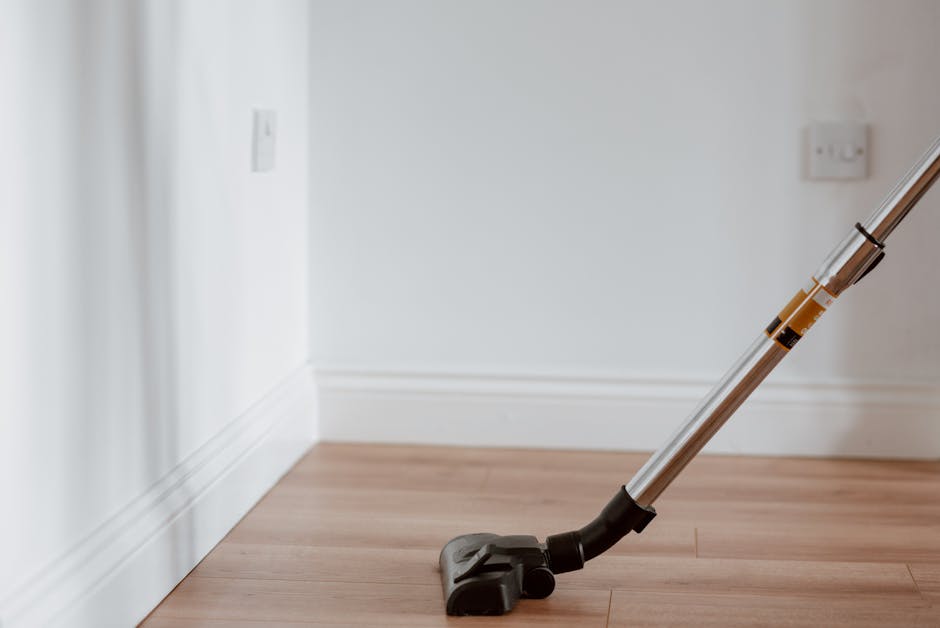
Routine house cleaning is usually the best fit when a property needs steady maintenance rather than an occasional overhaul. It can include dusting accessible surfaces, wiping kitchen worktops, cleaning bathroom fixtures, vacuuming floors, mopping where appropriate and tidying the visible areas that affect how a home feels day to day. The value of this kind of service is consistency: the work is organised around keeping the property in good condition instead of waiting for dirt to build up.
We can tailor the work to the rooms that need the most attention, which is useful where a home has a busy kitchen, high-traffic hallways or a bathroom that takes more effort to keep fresh. For some customers, a focused schedule on the main living spaces is enough; for others, a more complete whole-home clean is more practical. The right scope depends on floor types, fixture finishes and how much detail you want in each visit.
When you are ready to compare the likely scope, a house cleaning page can help define the kind of domestic work that sits at the centre of the service. It is often the most straightforward way to organise regular upkeep, because the service can be shaped around the rooms and tasks that are most important in that property.
Deep cleaning for more detailed results

Some properties need more than a standard tidy-and-clean routine. Deep cleaning is designed for those occasions when built-up dust, grease or general wear means extra attention is needed across more surfaces and fittings. That might include edging, frame cleaning, detailed bathroom work, kitchen degreasing and additional care in areas that are often missed during lighter visits. The result is a more thorough reset of the interior rather than a quick maintenance pass.
A deep clean is often useful before a new regular schedule begins, after a period when a property has not been maintained as closely, or when certain rooms need a more exact finish than everyday cleaning can provide. It can also be chosen for spaces with stubborn residue or awkward layouts, because the work can be planned around the parts of the room that take longer to bring back into order. The service is practical, not theatrical; it is about the right amount of detail for the condition of the property.
If you want to compare detailed cleaning options, the deep cleaning page is a sensible place to start. Please give us a short description of the property, note any areas that need more attention and send your request for a quotation when you are ready.
Domestic cleaning for flats, houses and shared homes
Domestic cleaning can suit a wide range of property types, from compact flats to larger family homes and shared accommodation. The service usually centres on the daily-use rooms that affect comfort and presentation most noticeably: kitchens, bathrooms, bedrooms and living spaces. In practical terms, that means the work is arranged so the property feels orderly, hygienic and easier to maintain between visits, without forcing every home into the same template.
Where a property has several occupants, the cleaning plan may need to reflect shared use. Hallways, stair rails, handles and bathroom fittings can need a different level of attention from private rooms. Where a family home has heavy footfall, the floor care may matter more than decorative dusting. The service can be directed toward those realities rather than applied as a fixed checklist, which is helpful when the home has its own patterns of use.
For a straightforward overview of this kind of work, see domestic cleaning. Good scope planning matters most when the property has a mix of routine and occasional cleaning needs, so it is worth setting out the rooms and the finish you want before asking for a quotation.
Kitchen, oven and surface cleaning
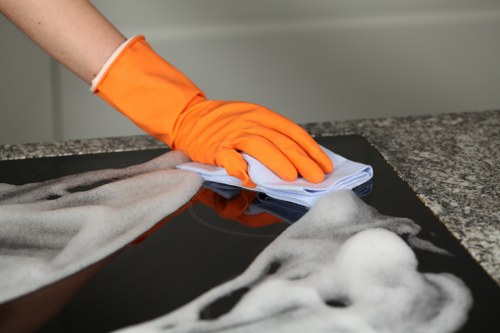
Kitchens usually ask for more than simple dust removal. Grease, splashes, limescale and food residue can build up on worktops, cupboards, extractor areas and appliance fronts, so targeted cleaning in this room often makes a visible difference. The service can include general kitchen cleaning as well as closer attention to the finishes that influence hygiene and presentation, especially where the room is used heavily and cleaned frequently enough to need more than a superficial wipe.
Oven cleaning is a separate task for a reason. Burnt-on residue, trays, racks and interior surfaces can take considerably longer than standard kitchen work and are best approached with the right method for the appliance and its condition. Where the kitchen includes delicate finishes or integrated equipment, the process needs to be careful rather than rushed. That balance between thoroughness and care is especially important in homes that rely on the kitchen every day.
To explore this work further, the oven cleaning page gives a clearer picture of the specialist side of the service. If your kitchen needs broader attention, it may also be useful to look at carpet cleaning when floors and soft furnishings are part of the same request.
Floor and fabric care

Floors and furnishings often shape how clean a property feels more than any single decorative detail. Carpets can hold dust and marks, rugs can collect traffic wear, upholstery can absorb everyday spillages and general odours, and hard floors may need the correct method to avoid leaving streaks or residue. Cleaning these surfaces properly means choosing the right process for the material, condition and finish rather than using the same method everywhere.
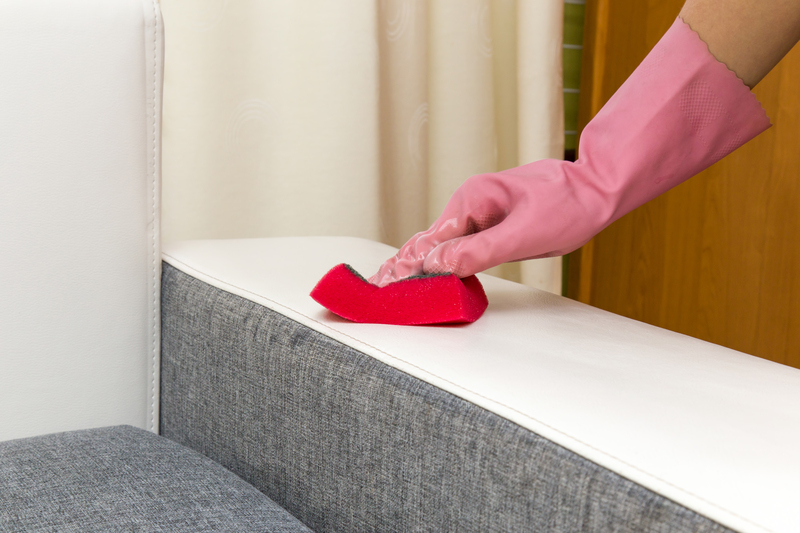
Carpet cleaning is often chosen where pile has flattened, marks have become more visible or regular vacuuming is no longer enough to restore the look of a room. Rug cleaning may require extra care depending on the weave, backing and colours, while sofas and chairs often need attention to armrests, seat areas and the places where dust settles most. Hard floor cleaning can be just as nuanced, particularly with timber, sealed surfaces or stone finishes that need the right products and equipment.
Relevant service pages include rug cleaning, sofa cleaning and hard floor cleaning. If your request includes several surfaces, mention them together so the quotation can reflect the full scope of work rather than treating each item in isolation.
End of tenancy and move-related cleaning
End of tenancy cleaning is normally more exacting than routine domestic cleaning because the property is being judged in a different way. The work often needs to cover kitchens, bathrooms, floors, cupboards, fixtures and other areas that are easy to overlook during day-to-day upkeep. The emphasis is on presenting the property as clean and orderly as possible after occupancy changes, with attention to the parts of the home that show wear most quickly.
Move-related cleaning can also be helpful before a new household settles in or when a property needs a fuller reset between occupants. In those situations, it is sensible to be clear about what remains in the property, which rooms need attention and whether appliances, fittings or floor coverings need specialist care. A structured scope helps avoid misunderstandings and keeps the job focused on the areas that matter most for the handover.
If that is the service you need, the end of tenancy cleaning page is the natural starting point. For properties affected by renovation dust or finishing work, after builders cleaning may be the more appropriate option.
After builders cleaning and one-off resets
Builders’ dust behaves differently from ordinary household dirt. It can settle on high surfaces, cling to corners, collect on trims and appear again after the first sweep, which is why after builders cleaning normally needs patience and a systematic approach. The work may involve removing dust from ledges, clearing residue from floors, cleaning marks from fixtures and addressing the kinds of fine particles that show up after decorating or refurbishment.
One-off cleaning is useful when a property needs a reset without committing to a regular schedule. That might be after a renovation, before an event, or simply at a point where the property has slipped beyond the reach of everyday maintenance. The advantage is flexibility: the service can be built around the areas that need the most help, rather than following a rigid domestic routine that does not match the condition of the space.
For more detail on specialist post-work cleaning, visit after builders cleaning. If the property needs a broader refresh across several rooms, the one-off cleaning page may be the better fit for a single visit with a defined outcome.
Office cleaning and workplace presentation
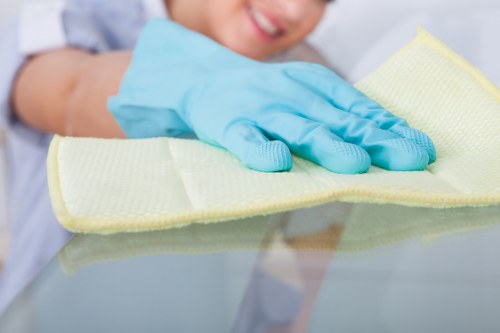
Office cleaning supports the practical needs of a workplace as much as its appearance. Desks, meeting spaces, reception areas, kitchens, washrooms and shared touchpoints can all require different levels of attention depending on how the space is used. A good office clean supports order, hygiene and a professional impression without disrupting the layout or routine of the building.
Not every workplace needs the same schedule or the same level of detail. A compact office might need a straightforward clean of floors and common areas, while a larger setting may need more layered attention to the kitchen, bathrooms and contact points. The service can be aligned with opening hours, occupancy patterns and the surface types found in the premises. That makes it practical for businesses that want a tidy, workable space rather than a generic checklist.
Relevant information can be found on the office cleaning page, while office cleaners gives a broader view of the workplace cleaning service. If you are planning a quotation, it helps to note the size of the workplace, the rooms involved and any areas that need more frequent attention.
Window cleaning and visible finish
Windows influence the first impression of a property more than many customers expect. Clear glass, tidy frames and clean ledges can change the way both homes and workplaces feel, particularly where there is strong daylight or a street-facing elevation. Window cleaning is not only about appearance; it also helps remove the film and marks that build up gradually on internal and external surfaces.
In practice, the work may involve glass, frames, sills and nearby areas that collect dust and marks over time. The right approach depends on access, height, the type of window and the condition of the frames or seals. This is why it is sensible to treat window cleaning as a specific task rather than a quick add-on. If the property includes mixed materials or awkward access points, the scope should be described carefully before work is arranged.
For service details, go to window cleaning. If the property also needs upholstery or fabric care, a combined request can be discussed alongside upholstery cleaning so the quotation reflects the full set of tasks.
About Hammersmith
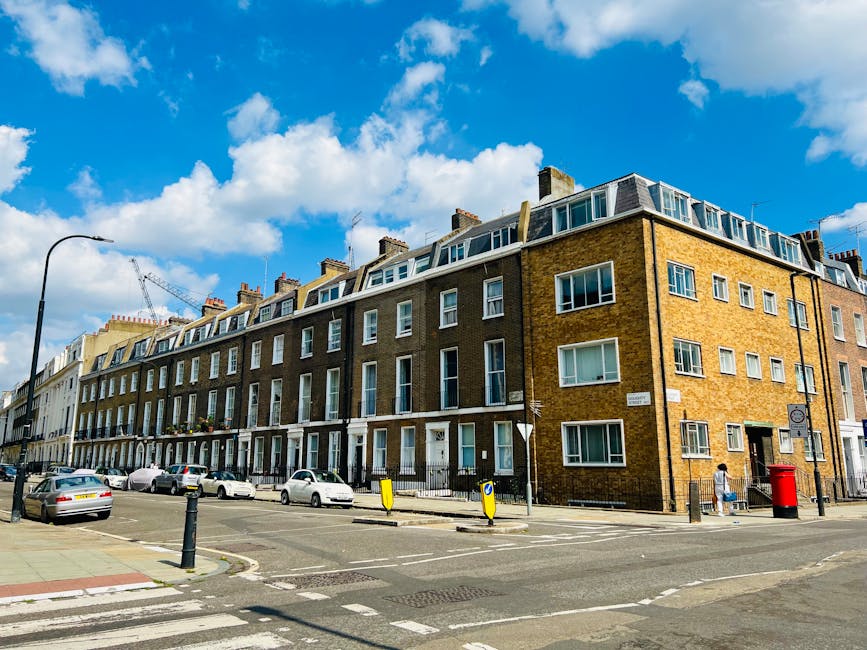
Hammersmith is a riverside district in west London, known for its position beside a broad loop of the River Thames and for the transport corridors that connect it with the rest of the capital. The area grew from a village and river crossing into a busy urban centre, and traces of that layered development remain in its streets, terraces and commercial buildings. Hammersmith Bridge, first opened in the nineteenth century and rebuilt in the 1930s after structural concerns, is one of the best-known landmarks, linking the north side of the river to Barnes and offering a distinctive view across the water. The river frontage includes public walkways and open views that contrast with the denser streets inland, giving the district a varied urban character.
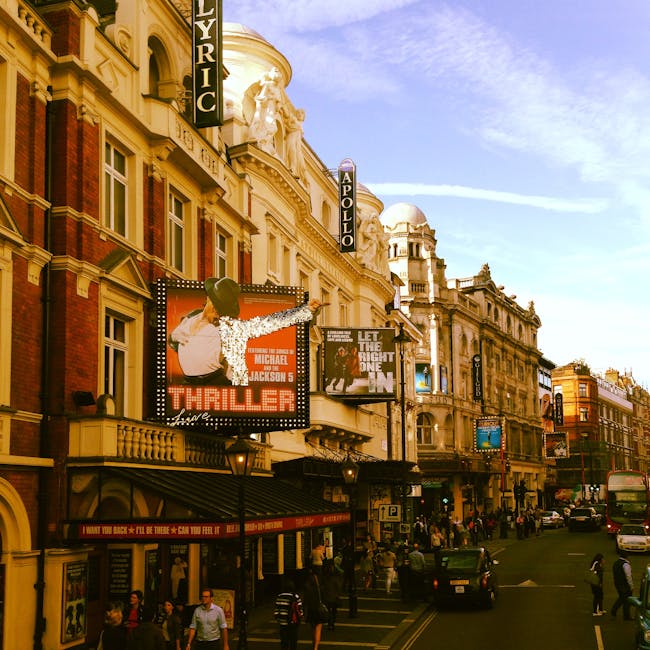
The locality also has a strong cultural identity. The King Street and Broadway areas form the commercial heart, while nearby venues have long contributed to the district’s reputation for theatre, live performance and broadcasting. The Lyric Theatre is one of the most recognisable institutions, and the wider area has seen repeated redevelopment while retaining a mix of older and newer architecture. Hammersmith also sits close to several notable residential neighbourhoods, including parts of Brook Green and the avenues leading toward Shepherd’s Bush and Fulham. This mixture of riverside setting, transport access and dense urban life gives the district a practical, well-used feel rather than a purely residential one. Green space is less extensive than in outer suburbs, but smaller pockets and the riverside path provide breathing room within the built environment.
Transport has always been central to the area’s identity. Hammersmith Broadway is a major interchange, with Underground services and a busy bus network making the district a key point on the west London route map. That accessibility has supported shops, offices and apartments in and around the centre, while the river and the bridge keep the historical geography visible. Even where modern redevelopment has changed individual streets, the district still reflects its long connection to movement, commerce and performance. The result is a place that feels urban, connected and layered with history, with the Thames continuing to shape its form and outlook.
Cleaning choices, access and quotation details
When a quotation is being prepared, the most useful information is usually the simplest: what type of property it is, which rooms or surfaces need attention and whether any specialist tasks are included. If there are carpets, rugs, upholstered items, ovens or delicate floor finishes, it is worth mentioning them early because they change the scope of the work. The same is true if the property has multiple levels, limited access or areas that need extra care around fittings and finishes. A clear outline helps avoid unnecessary assumptions.
It is also sensible to decide whether the visit is for routine upkeep, a fuller reset or a one-off task that needs more time. That distinction affects how the cleaning is organised and which service page best matches the request. Short, direct notes are often enough: room count, special surfaces, known problem areas and any access considerations. If you are comparing services, think first about the outcome you want in the property, then ask for a quotation based on that scope.
For the next step, visit pricing and quotes. If you already know the service you want, the cleanest approach is to send a brief description of the property and ask for a quotation in plain terms.