Health and Safety Policy for Cleaners Hammersmith
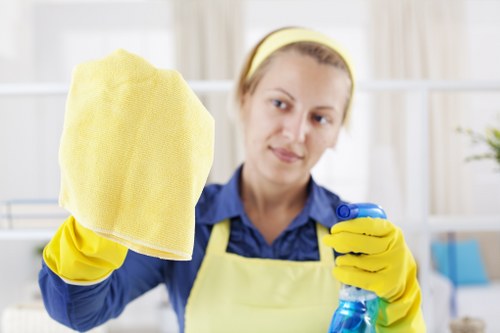 This Health and Safety Policy for Cleaners Hammersmith sets out the standards and responsibilities that help create a safe, respectful, and well-managed working environment. It applies to all cleaning activities carried out in homes, offices, communal areas, and other premises where cleaning work is undertaken. The policy is designed to reduce risk, protect health, and ensure that every cleaner understands the importance of safe working practices. It also supports consistent service delivery by making safety a routine part of every task, not an afterthought.
All workers are expected to follow this policy at all times and to take reasonable care of their own safety and the safety of others. Managers and supervisors must provide clear instruction, suitable equipment, and proper oversight. A strong health and safety culture depends on communication, awareness, and shared accountability. By maintaining safe cleaning procedures, using appropriate materials, and reporting issues early, the risk of accidents and ill health can be significantly reduced.
Every cleaner should be trained to recognise common hazards, including wet floors, sharp objects, chemical exposure, electrical risks, and manual handling problems. Risk assessment is essential before work begins, especially in unfamiliar environments. If a task appears unsafe, it should be paused until the issue is addressed. The goal of this safety policy is to make safe decisions simple, practical, and part of everyday work habits.
Core Safety Responsibilities
Responsibility for safety is shared. Management must ensure that equipment is maintained, staff are briefed, and safe systems of work are available. Cleaners must use equipment correctly, follow instructions, and wear any required protective items. This includes using gloves when handling chemicals, using warning signs where floors may be slippery, and ensuring that products are stored securely. Clear understanding of duty is central to an effective cleaning health and safety approach.
Safe conduct also means respecting the condition of the property and the people inside it. Cleaners should avoid blocking exits, should not leave trailing cables in walkways, and must keep work areas tidy throughout the shift. Any damaged equipment or unsafe condition should be reported immediately. In a professional cleaner safety policy, prevention is always better than correction after an incident.
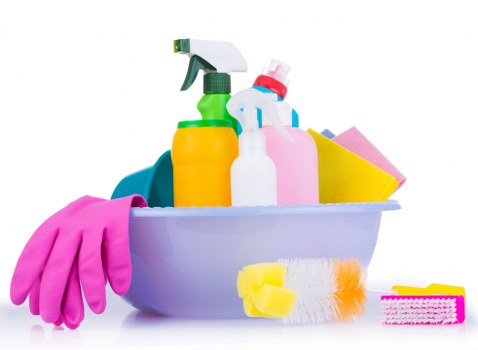 Personal responsibility extends to fitness for work. Anyone who feels unwell, tired, dizzy, or unable to work safely should notify the appropriate person before starting tasks that could put them or others at risk. Fatigue and distraction can increase the chance of incidents, especially when lifting, climbing, or handling chemicals. Maintaining concentration and following safe procedures are essential parts of everyday cleaning safety.
Workplace Hazards and Control Measures
Cleaning activities often involve a combination of physical and chemical hazards. Slip and trip risks are among the most common, particularly when floors are being mopped, vacuumed, or polished. These risks must be controlled through warning signage, proper sequencing of tasks, and clear access routes. Sharp items, broken glass, and concealed objects should be handled carefully using suitable tools, not by hand. Such precautions support a reliable cleaners safety policy.
Exposure to cleaning chemicals must be managed with care. Products should always be used according to instructions, and cleaners should never mix substances unless specifically permitted by manufacturer guidance. Adequate ventilation is important when using stronger products. Containers must remain labelled and stored away from food, children, and unauthorised persons. Where necessary, personal protective equipment should be worn to reduce exposure and help maintain a safe health and safety policy.
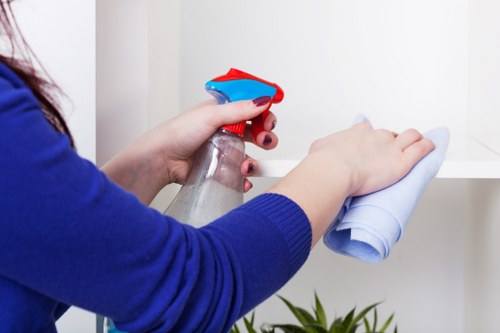 Manual handling is another major concern. Lifting buckets, moving furniture, carrying supplies, and pushing equipment can all strain the body if done incorrectly. Cleaners should use correct posture, avoid unnecessary twisting, and seek help with heavier loads. Equipment should be chosen to reduce strain wherever possible. Safe lifting practices are a practical expression of a thoughtful Hammersmith cleaners health policy, because protecting physical wellbeing helps prevent both short-term injuries and long-term discomfort.
Training, Reporting, and Emergency Response
Training is a vital part of this policy. All workers must receive clear instruction on safe methods, emergency procedures, chemical handling, and correct equipment use. Training should be refreshed regularly so that standards remain current and consistent. Supervisors should also ensure that workers know how to ask questions when unsure. A well-trained team is more likely to follow a robust cleaning company safety policy and less likely to make avoidable mistakes.
Incident reporting must be simple and immediate. Any injury, near miss, spill, property damage, or unsafe condition should be reported as soon as possible so that action can be taken. Recording near misses is especially useful because it allows patterns to be identified before they become serious. Transparency and prompt action are important signs of a responsible cleaners health and safety policy.
Emergency arrangements should be known in advance. Cleaners must understand what to do in the event of fire, chemical spillage, accident, or medical emergency. The first step is always to stay calm and follow established procedures. Where evacuation is required, exits must be used safely and without delay. Emergency planning is not only about compliance; it is about protecting people and reducing harm through clear, confident action.
Equipment, Supervision, and Safe Working Standards
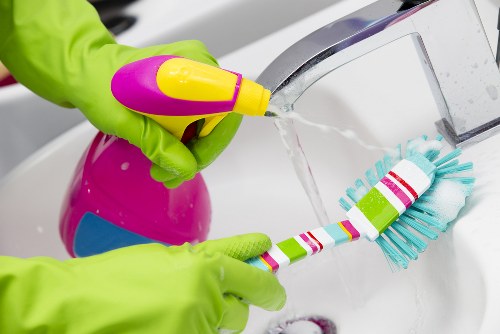 All equipment used in cleaning work should be suitable for the task and kept in good working order. Faulty vacuums, damaged mops, frayed cables, or unstable ladders must not be used. Before starting work, cleaners should check tools and products for signs of damage or contamination. Using reliable equipment supports a safer cleaner health and safety policy and helps ensure the job is completed efficiently.
Supervision plays a key role in maintaining standards. Supervisors should monitor work practices, provide feedback, and intervene where unsafe behaviour is observed. This is especially important when new staff are learning procedures or when work is being carried out in complex settings. Good oversight encourages consistency, builds confidence, and reinforces safe habits across all cleaning operations.
Respect for privacy and professionalism also contributes to safety. Cleaners should work carefully around occupants, personal belongings, and sensitive areas while maintaining awareness of their surroundings. A safe workplace is one where people feel secure, respected, and informed. Combining professionalism with practical controls helps strengthen a dependable health and safety policy for cleaners.
Review and Continuous Improvement
 This policy should be reviewed regularly to make sure it remains effective, practical, and aligned with current working methods. Reviews should consider incident records, staff feedback, new equipment, and changes in working environments. Continuous improvement is an essential part of any cleaning safety policy, because safe working depends on learning from experience and adapting when needed.
Ultimately, the purpose of this policy is to prevent harm and promote confidence in every cleaning task. When cleaners are trained, supported, and equipped properly, they can work efficiently while protecting themselves and others. A clear commitment to health and safety strengthens service quality, reduces avoidable disruption, and helps create a safer environment for everyone involved.