Lyric Theatre Upholstery Cleaning Hammersmith After Shows: A Practical Guide for Fast, Careful Results
If you manage or support venue cleaning in Hammersmith, you already know the awkward little truth of performance spaces: the audience leaves, the lights go up, and the seating suddenly tells the real story. Spills, fingerprints, glitter, dust, snack crumbs, makeup smudges, and the occasional mystery mark all have a way of appearing after a busy evening. That is why Lyric Theatre upholstery cleaning Hammersmith after shows is not just a cosmetic task. It is part of keeping the venue welcoming, presentable, and ready for the next crowd.
In this guide, we will look at what post-show upholstery cleaning actually involves, how it works in a live venue, which mistakes can cause more harm than good, and how to plan a sensible routine that protects both the fabric and the people using it. There is a bit more to it than a quick vacuum and a hope for the best, to be fair.
Table of Contents
- Why it matters
- How the cleaning process works
- Key benefits and practical advantages
- Who this is for and when it makes sense
- Step-by-step guidance
- Expert tips for better results
- Common mistakes to avoid
- Tools, resources and recommendations
- Law, compliance, standards and best practice
- Options, methods and comparison table
- Case study or real-world example
- Practical checklist
- Conclusion
- Frequently asked questions
Why Lyric Theatre upholstery cleaning Hammersmith after shows Matters
Venue seating sees a different kind of wear from domestic furniture. At the Lyric Theatre, or any busy performance space in Hammersmith, upholstery has to cope with frequent use, variable weather from coats and bags, and the odd spill that happens in the dark when people are settling in or rushing out. That mix creates a cleaning challenge that is both practical and reputational.
Clean upholstery supports the audience experience in ways people notice even if they do not consciously think about it. Fresh-looking seats, armrests and soft furnishings make the venue feel cared for. Stale odours, dull patches or visible stains do the opposite fast. And once marks set into fibres, they tend to become more expensive and more difficult to remove. Anyone who has ever tried to rescue a pale fabric armrest after a busy interval will know exactly what I mean.
There is also a safety and maintenance angle. Dust build-up, damp residue and trapped debris can shorten the life of fabrics and create hygiene concerns in shared environments. A structured after-show clean helps prevent that slow decline. It is not glamorous work, no, but it makes a real difference.
Expert summary: In a live theatre setting, upholstery cleaning works best when it is treated as part of the venue's operating rhythm, not as an occasional rescue job after damage has already settled in.
How Lyric Theatre upholstery cleaning Hammersmith after shows Works
Post-show upholstery cleaning in a theatre is usually a layered process. The aim is not to saturate fabric or rush through with a one-size-fits-all machine. It is to remove surface debris, tackle visible marks, address odours where possible, and protect the material finish so the seating can dry safely and return to service on time.
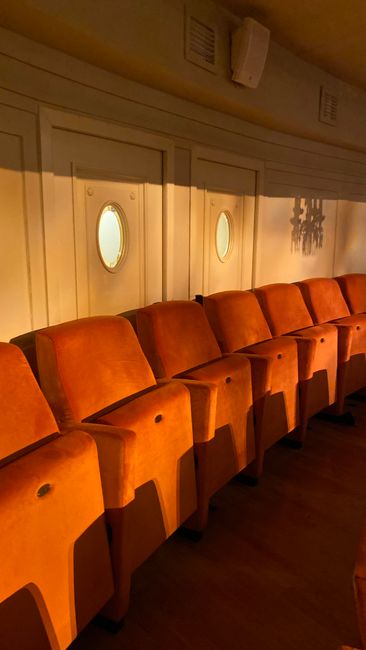
The process normally begins with inspection. Different areas age in different ways. Seats near aisles often show more scuffing. Front rows may collect more dust from foot traffic or stage work. Armrests can pick up oils from hands. Fabric type matters too. Woven theatre seating, velvet-style upholstery, synthetic blends and hard-wearing commercial fabrics all respond differently to moisture and detergent.
After inspection, a cleaner would usually carry out dry soil removal. That means vacuuming with suitable attachments, loosening crumbs and grit from seams, and checking for fresh marks that may need spot treatment before any deeper cleaning begins. If there has been a spill, it is often better to blot and treat it quickly rather than spreading it around. Easy to say, slightly less easy when everyone is in a hurry after an evening performance.
The next stage depends on the fabric and condition. In some cases, a controlled low-moisture method is appropriate. In others, more detailed upholstery cleaning may be needed, especially where odour control or stain reduction is a priority. For larger soft furnishings in public spaces, a wider deep cleaning approach may be more sensible than a quick touch-up.
Drying is critical. Theatre seating should not be left damp and forgotten. Proper airflow, careful product choice and reasonable drying time all matter. If water is overused, you risk water rings, lingering odour and even fabric distortion. In a venue, that can snowball into complaints the next day.
Key Benefits and Practical Advantages
The obvious benefit is visual. Clean upholstery makes the venue look cared for, and people do notice. But the practical gains go deeper than appearance.
- Better first impressions: Clean seating reinforces the sense of professionalism the moment guests arrive.
- Longer fabric life: Removing grit and residue helps reduce friction damage and early wear.
- Odour control: Spills, humidity and repeated use can leave fabrics smelling tired; proper cleaning helps reset that.
- Fewer stubborn stains: Treating marks promptly prevents them from setting deep into fibres.
- Improved comfort: Seating that feels fresh and looks clean contributes to the overall experience.
- Operational readiness: A smart after-show routine keeps the venue in a better state for the next performance or event hire.
There is also a quiet financial benefit. Preventive care tends to cost less than premature replacement. That is true of most things in buildings, really, whether you are looking after seats, carpets or the hard flooring in front-of-house spaces. If you are also responsible for other venue or commercial cleaning tasks, it can make sense to think in systems rather than isolated jobs. Services such as carpet cleaning, rug cleaning and office cleaning often sit naturally alongside upholstery maintenance in a broader care plan.
Who This Is For and When It Makes Sense
This topic is relevant to venue managers, facilities teams, stage and front-of-house supervisors, event coordinators, and cleaning contractors working in or around Hammersmith. It also matters to anyone responsible for a performance space that hosts frequent audiences and needs a fast turnaround between shows.
It makes sense after:
- a run of back-to-back performances
- spills involving drinks, sauces or confectionery
- visible dust build-up from active footfall or seasonal cleaning gaps
- special events, press nights or private hires
- the start of a new run, when the venue needs a fresh reset
- an unusually busy evening with heavy audience turnover
Some venues only need periodic maintenance. Others need a tighter schedule because their seating is used more heavily or because their audience profile makes after-show clean-up more demanding. Family events, matinees, seasonal productions and charity nights all bring different cleaning patterns. On a wet London evening, with umbrellas, coats and muddy shoes in the mix, things can get messy faster than expected.
It is also worth saying that not every mark needs aggressive treatment. Sometimes a targeted spot clean is enough. Other times, a broader service is the better call. Knowing the difference saves time and helps protect delicate upholstery finishes.
Step-by-Step Guidance
Here is a practical workflow that suits most post-show upholstery cleaning tasks in a theatre environment.
- Assess the seating area. Walk the space and identify fresh spills, high-traffic rows, and visible damage before starting.
- Remove loose soil first. Vacuum seats, seams, piping, under-cushion areas and armrests with the right attachments.
- Spot test any product. Always check a hidden area before using detergent or stain treatment on a visible panel.
- Treat stains carefully. Blot, do not rub. Work from the outside of the mark inward so you do not spread it.
- Use the least moisture necessary. Commercial upholstery rarely benefits from soaking. Gentle control is the point.
- Address odours and residue. Neutralise lingering smells without masking them too heavily.
- Allow proper drying. Use ventilation and keep the area out of use until the fabric is fully dry.
- Recheck the room. A final pass helps spot missed marks, damp patches or items left behind under seats.
One useful habit is to work row by row instead of bouncing around the room. It sounds small, but it keeps things consistent and stops you missing a seat because the stage manager needed a quick word. Been there, seen that. The room can look spotless from one angle and still hide a damp patch two aisles away.
If the venue also needs other one-off support after a busy week, the approach is similar: clear, targeted, and properly timed. A good one-off cleaning visit can help reset areas that have had an unusually rough run without forcing the whole venue into a deep service every time.
Expert Tips for Better Results
After show cleaning is often a race against the clock, but speed alone is not the answer. These are the kinds of habits that tend to produce better, safer results.
- Use colour-fast, fabric-safe products only. Commercial theatre seating may look robust, but the finish can still be surprisingly sensitive.
- Work from clean to dirty. Start with lightly marked areas so you do not transfer grime.
- Keep spare dry cloths to hand. Fresh microfibre cloths are better than reusing a damp one that has already picked up residue.
- Manage airflow. Open ventilation paths where possible and avoid trapping moisture in a closed room.
- Train staff to escalate early. A fresh spill dealt with within minutes is far easier than a stain discovered the next morning.
- Document recurring problem spots. If the same row or armrest keeps getting marked, there may be a usage issue, not just a cleaning issue.
In our experience, the best results come from a calm process, not from throwing more product at the problem. That is especially true in public venues where over-wetting can create more disruption than the original mark. There is a point where less really is more.
If you are building a broader maintenance plan, it can help to align theatre upholstery care with other services such as sofa cleaning and carpet cleaning support for front-of-house or back-of-house soft furnishings.
Common Mistakes to Avoid
Let's face it: most upholstery damage after a show is not caused by the original spill. It is caused by the wrong reaction to the spill.
- Rubbing stains aggressively. That can push the mark deeper into the fibres and rough up the fabric surface.
- Using too much water. Excess moisture can leave rings, slow drying and create odours.
- Ignoring fibre type. Different fabrics need different treatment. What works on one seat may ruin another.
- Skipping drying checks. A seat that feels almost dry can still be damp inside the cushion.
- Cleaning without testing. A small hidden test is boring, yes, but it can prevent a very expensive mistake.
- Waiting too long. The longer a spill sits, the more likely it is to oxidise, spread or set.
A subtle one that gets missed a lot: forgetting to inspect under seat bases and along seams. Crumbs, ticket stubs, makeup residue and drink splashes often collect in the places nobody sees until they really, really do.
If the venue's fabric is already heavily worn, do not assume a stronger chemical is the answer. Sometimes the issue is age, abrasion or previous poor treatment. Cleaning can improve appearance, but it cannot reverse structural wear. That distinction matters.
Tools, Resources and Recommendations
The right tools make a huge difference in a theatre setting. You do not need a mountain of kit, but you do need the right kit. Here is the basic set-up that is usually worth having:
- vacuum cleaner with upholstery and crevice attachments
- clean microfibre cloths
- spot-cleaning solutions suitable for commercial upholstery
- soft detailing brushes
- dry towels for blotting
- protective gloves where chemical use requires them
- fans or ventilation support for drying
For venues in Hammersmith, the most practical choice is often to work with a cleaning company that understands both soft furnishings and fast turnaround demands. The service should be able to explain its methods in plain English, identify limits clearly, and suggest a cleaning schedule that fits the venue's use pattern rather than forcing a generic package.
If you are comparing broader support options, it may also help to review related services like cleaning company support, deep cleaning and after builders cleaning when your venue has had refurbishments, set changes or maintenance work that left dust behind.
A small but useful recommendation: keep an internal log of the most common marks, where they appear, and what was used to treat them. It sounds simple. It is. And simple tends to work.
Law, Compliance, Standards, or Best Practice
When cleaning upholstery in a theatre, the main concerns are safety, duty of care and sensible working practice. The exact requirements can depend on the venue, the contractor arrangement and the products being used. There is no need to overstate anything here, but there are some principles worth following carefully.
First, cleaning teams should use products and methods in line with the fabric manufacturer's guidance where available. If guidance is missing, proceed cautiously and test first. Second, staff should be trained to handle chemical products safely, including correct dilution, ventilation and spill control. Third, venues should think about accessibility and audience safety when scheduling cleaning so that wet floors, equipment and open areas do not create hazards for staff or visitors.
For commercial jobs, insurance is worth checking before work begins. A reputable provider should be able to discuss this clearly. If you are comparing suppliers, the site's insurance and safety information and health and safety policy can help you understand how they approach risk, equipment use and site conduct. You may also want to review the terms and conditions so everyone is clear on service scope and expectations before the job starts.
Best practice in a live venue also includes tidy cable management, controlled access to wet areas, and cleaning schedules that avoid creating trip hazards during public movement. It is not exciting, but it is the unglamorous backbone of a professional operation.
Options, Methods, or Comparison Table
Not every upholstery issue needs the same treatment. Here is a simple comparison of the main approaches.
| Method | Best for | Pros | Limits |
|---|---|---|---|
| Vacuuming and dry soil removal | Routine upkeep, light debris, daily or after-show reset | Fast, low risk, helps prevent fabric wear | Will not remove set stains or odours on its own |
| Targeted spot cleaning | Fresh marks, small spills, isolated problem areas | Efficient and precise | Needs correct identification of fabric and stain type |
| Low-moisture upholstery cleaning | General refresh, visible dulling, moderate soil | Balances cleaning power with drying control | Not ideal for every fabric or heavily embedded contamination |
| Deep cleaning | Longer-term build-up, odour issues, extended maintenance cycles | More thorough and restorative | Requires more planning and drying time |
For a theatre, the right answer is often a mix. Quick post-show maintenance keeps the room presentable, while periodic deeper work handles what routine cleaning cannot. That blend is usually more practical than trying to deep-clean every time, which would be overkill in most cases.
Case Study or Real-World Example
Picture a Friday night performance with a full house. By the time the audience leaves, a few seats near the centre have drink marks, one armrest has a greasy patch from snacks, and the rear rows have a layer of dust that has been slowly building over several shows. Nothing dramatic. Nothing headline-worthy. Just enough to make the room look a bit tired by Monday.
A sensible after-show clean in that situation would begin with a fast inspection and dry vacuuming. The fresh drink mark would be blotted and tested with a fabric-safe treatment. The armrest would need gentle cleaning with low moisture. The rear rows would be given extra attention because dust and crumbs often lodge in seams and around stitching. Finally, the room would be checked for drying progress before it was handed back to operations.
The result is not magic. It is simply a room that looks ready again. The seats do not shout for attention. The air feels fresher. The front-of-house team walks in the next morning and does not wince. That matters more than people think.
If the venue were preparing for an event-heavy week, this same approach could be combined with other services such as window cleaning and hard floor cleaning to give the whole public area a proper reset.
Practical Checklist
Use this checklist after shows or at the end of a busy run:
- Inspect seats, armrests and seams before starting.
- Identify fresh spills and treat them quickly.
- Vacuum loose soil and crumbs from every row.
- Check fabric type before using any solution.
- Spot test products in a hidden area.
- Blot stains gently rather than rubbing.
- Use as little moisture as possible.
- Ventilate the area and confirm drying.
- Reinspect for missed marks or damp patches.
- Record repeat issues for future prevention.
And one small extra tip: if you notice the same kind of mark appearing in the same seat block, it may be worth changing the housekeeping routine for that area instead of simply cleaning harder. Sometimes the fix is in the workflow, not the chemicals.
Conclusion
Lyric Theatre upholstery cleaning Hammersmith after shows is ultimately about keeping a busy venue presentable, comfortable and ready for the next audience without damaging the materials that carry so much daily wear. The best results come from careful inspection, the right cleaning method, sensible drying, and a process that respects both the fabric and the time pressure of live events.
Whether you are dealing with a one-off spill after a packed show or building a longer-term maintenance plan for the venue, the aim is the same: protect the space, preserve the seating, and keep the audience experience feeling polished from the first step inside. Small, steady care goes a long way.
Get a free quote today and see how much you can save.
If you are comparing providers, start with the practical details: method, timing, safety, and clarity. A good service should make your life easier, not more complicated. And that, honestly, is the bit that matters most.
Frequently Asked Questions
How soon should upholstery be cleaned after a show?
As soon as practical. Fresh spills and surface debris are much easier to deal with before they dry, settle or start to smell. Even a short delay can make a difference in a busy theatre.
Can theatre seating be cleaned without soaking the fabric?
Yes. In many cases, low-moisture methods are preferred because they reduce drying time and lower the risk of water marks or fabric distortion. The right method depends on the upholstery type.
What kinds of stains are most common after performances?
Drink spills, snack residue, makeup transfer, dust, and general grime from frequent use are all common. In some venues, glitter and fabric fibres from costumes or props also show up more often than people expect.
Is upholstery cleaning different from sofa cleaning?
Yes, although the principles overlap. Theatre seating is usually more uniform, more densely installed, and often made from commercial-grade materials. Sofa cleaning can be more varied because domestic furniture comes in many shapes, fabrics and conditions.
How often should a theatre book upholstery cleaning?
That depends on usage, audience volume and the fabric in question. Some venues need regular maintenance plus periodic deeper cleaning, while others only need occasional intervention. A usage-based plan is usually the most sensible approach.
Will cleaning remove old stains completely?
Not always. Older stains may have set deeply, faded the fabric, or changed the fibre structure. Cleaning can often improve appearance a great deal, but complete removal is not guaranteed.
Can I use household cleaners on theatre upholstery?
Usually not a good idea. Household products may be too harsh, too wet, or simply unsuitable for commercial fabrics. Always test carefully and follow the fabric guidance where possible.
What should be checked before cleaning seating in a public venue?
Check fabric type, visible damage, moisture tolerance, drying space, access routes and any safety considerations for staff or the public. Insurance and cleaning procedures should also be clear before work starts.
Does post-show cleaning help with odours?
Yes, especially when the source of the smell is dust, food residue or damp build-up. The key is to remove the cause, not just mask it. Masking alone rarely lasts in a busy venue.
What is the biggest mistake people make with upholstery cleaning?
Using too much water or rubbing stains too hard. Both can worsen the mark, damage the fabric, or leave a lasting ring. Gentle treatment and patience usually win.
How do I know whether I need spot cleaning or a deeper service?
If the issue is isolated and fresh, spot cleaning may be enough. If the seating looks dull overall, has lingering odours, or has not been cleaned thoroughly in a long time, a deeper service is more appropriate.
Can upholstery cleaning be combined with other venue cleaning tasks?
Yes, and that is often the most efficient route. Many venues combine upholstery care with related services such as carpet cleaning, floor cleaning, or window cleaning to reset the space properly after a busy period.